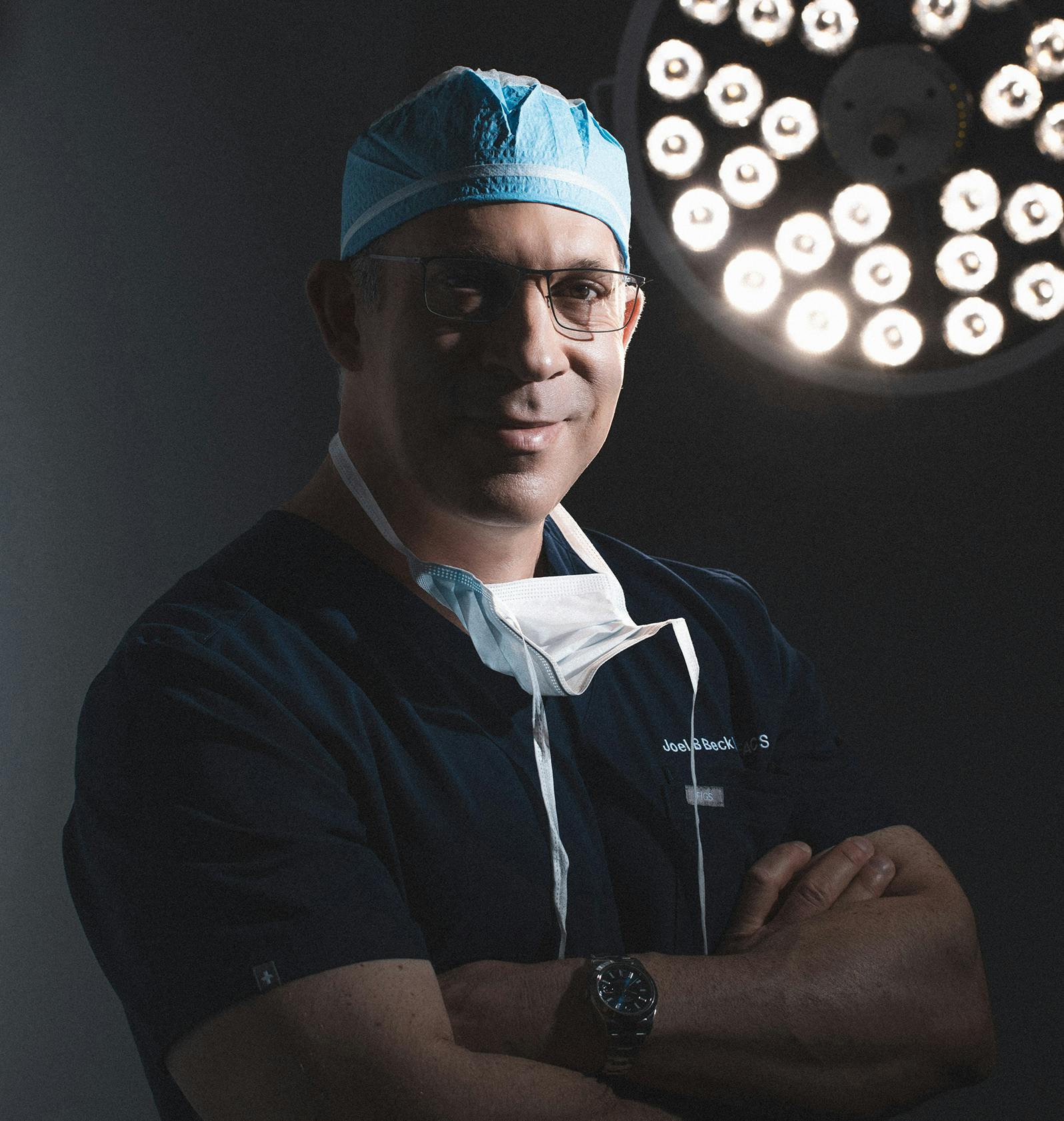
Having a refreshed face and improving early signs of aging can bring your confidence level to where you want it to be, giving you a huge step up in your personal, social, and work life.



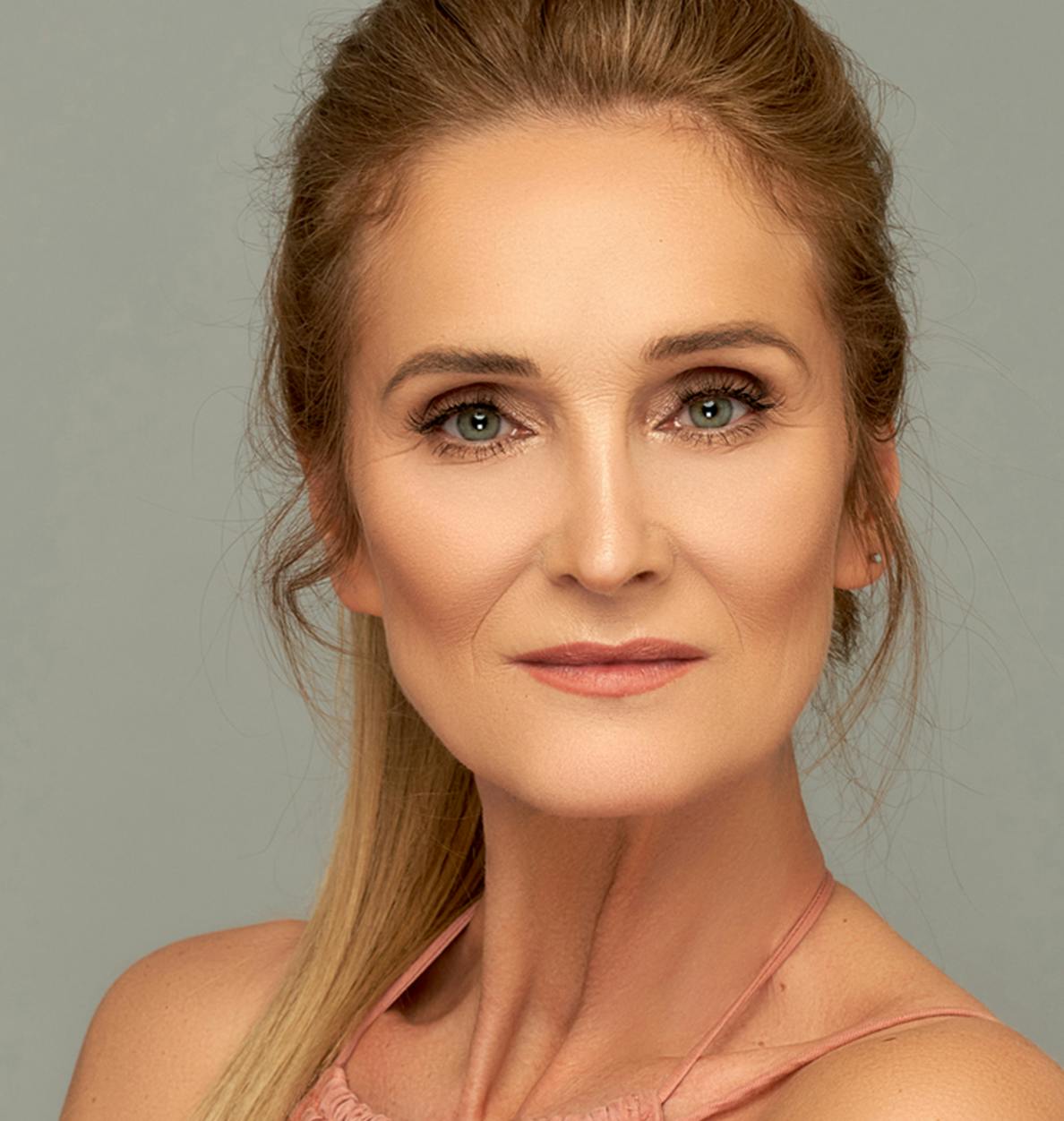



What is the difference between a mini facelift and a full facelift?
The main difference is how much of the face each procedure treats. A mini facelift focuses on the lower face and jowls with shorter incisions, while a full facelift addresses deeper tissue across a wider area.
- A mini facelift lifts mild to moderate sagging in the lower face with less downtime
- A facelift or deep plane facelift treats more advanced aging and the neck
Dr. Beck helps you choose the right level of lift for your face and goals.
How is a mini facelift different from non-surgical options like fillers?
The key difference is that a mini facelift lifts and tightens loose skin, while fillers only add volume. They address different signs of aging.
- A mini facelift repositions sagging skin for a lasting change
- Dermal fillers plump areas that have lost volume, with temporary results
Once the skin begins to sag, surgery usually gives a more natural, longer-lasting result than injectables alone.
What is the best age for a mini facelift?
Most mini facelift patients are in their 40s and 50s, though skin condition matters more than age. The procedure works best when you have early sagging but still have good skin elasticity.
Younger patients often choose a mini facelift as a first step, while those with more advanced aging may need a full facelift. Your consultation determines the best fit for you.
Does a mini facelift tighten the neck?
A mini facelift mainly improves the lower face and jowls, and it offers only limited improvement to the neck. It is not designed to correct significant neck sagging or vertical banding.
If loose neck skin is a concern, Dr. Beck may recommend adding a neck lift. Combining the two treats the lower face and neck together for a balanced, refreshed result.
Can a mini facelift be combined with other procedures?
Yes, a mini facelift is often combined with other facial procedures for a complete refresh. Since it focuses on the lower face, it pairs naturally with treatments for the eyes and brows.
Popular combinations include eyelid surgery and a brow lift. Combining procedures means one recovery period and a more harmonious outcome across the whole face.
Does a mini facelift hurt?
A mini facelift is not considered very painful, and most patients report mild discomfort rather than significant pain. The procedure is done under general anesthesia or local anesthesia with sedation, so you feel nothing during surgery.
Afterward, some tightness, swelling, and soreness are normal for the first several days. Prescribed medication and cold compresses keep you comfortable while you heal.
Is a mini facelift covered by insurance?
No, a mini facelift is a cosmetic procedure, so it is not covered by insurance. Because it improves appearance rather than treating a medical condition, patients cover the cost themselves.
Beck Aesthetic Surgery offers financing options to help make treatment more manageable, and the team can review these with you at your consultation.
Will a mini facelift look natural?
Yes, a mini facelift is designed to look natural, not pulled or overdone. Because the skin is lifted gently and the incisions are hidden around the ear, results look like a refreshed version of you rather than a dramatic change.
A natural outcome depends heavily on surgical skill. Dr. Joel Beck focuses on subtle, balanced results that suit each patient's features and keep you looking like yourself.
Will I need a full facelift later?
Possibly, since a mini facelift does not stop the natural aging process; it turns back the clock on your current sagging, but your skin will keep aging over time.
Many patients enjoy their mini facelift for years and later decide whether a full facelift makes sense for them. Keeping a stable weight, protecting your skin from the sun, and following a good skincare routine all help extend your results.