

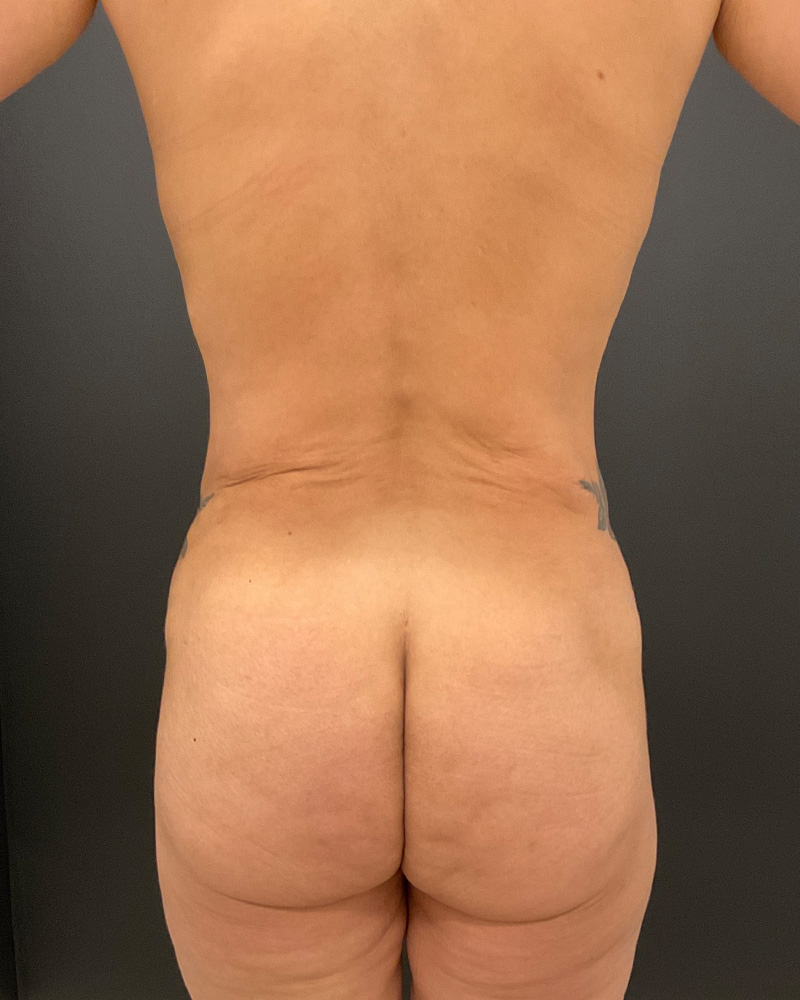
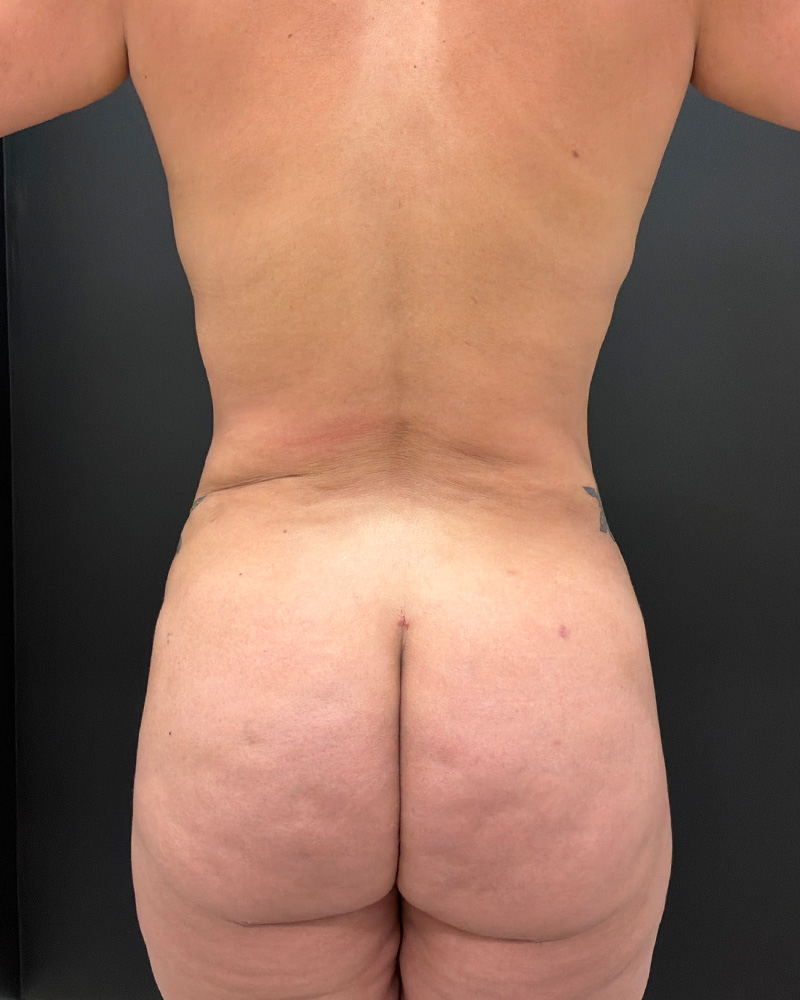
Headlines calling it "zombie filler" make it sound like something out of a horror movie, but the science behind it is closer to precision engineering than pop culture. The treatment in question is a donor-derived structural fat product, using screened, processed human tissue to restore lost volume in a way that mimics the body's own fat. Dr. Joel Beck, a board-certified plastic surgeon in Charlotte, has added AlloClae, marketed as the first structural adipose filler designed specifically for aesthetic use, to his practice. This blog explains what "cadaver fat" really means, how it may benefit patients, and how a complementary technology like Renuvion fits in.
What Does "Cadaver Fat" Actually Mean?
The term sounds alarming, but the process is tightly regulated. Donor adipose tissue used in products like AlloClae is classified by the FDA as a human cell, tissue, and cellular and tissue-based product, or HCT/P. That classification means the tissue undergoes donor screening, infectious disease testing, and processing standards before it can be used in a clinical setting.
What sets AlloClae apart is what survives that processing. The product retains the natural three-dimensional structure of fat, along with the extracellular matrix, the collagen and protein scaffolding that helps guide the body's own repair process. The goal goes beyond simply filling space: the tissue is designed to integrate with the surrounding area and support natural remodeling over time.
Why Are Surgeons Turning to Donor-Derived Fat?
Traditional fat transfer requires harvesting fat from the patient's own body, which is not always an option. Some patients do not have enough donor fat to spare, and others would rather skip an additional liposuction step. A donor-derived alternative can address both limitations. Surgeons are drawn to this category of product for a few reasons:
- It can deliver volume without a separate fat-harvesting procedure
- It is processed to a high sterility standard to help reduce complication risk
- It may integrate with surrounding tissue for a smoother, less filler-like transition
- Results may last longer than many synthetic options, since the tissue is designed to remodel with the body over time
None of this means the product is risk-free. Swelling, firmness at the treatment site, and in rare cases small nodules or an immune response to donor tissue are all possibilities patients should discuss during a consultation.
Is This the Same as Renuvion?
Renuvion works through a completely different mechanism, using radiofrequency energy and helium plasma to tighten skin from beneath the surface. It is typically added on during procedures like a facelift, neck lift, or body contouring surgery, and it is not derived from donor tissue at all. It belongs in this conversation because it reflects a broader trend: combining newer, more targeted technologies to refine results beyond what surgery alone can achieve.
Patients considering body contouring sometimes ask whether the two can be paired. Dr. Beck can evaluate candidacy for either treatment, or a combination, based on individual anatomy and goals.
The Bottom Line, According to Dr. Beck
The word "zombie" might be what got this treatment trending, but the underlying science reflects years of advancement in regenerative medicine. Dr. Beck's approach centers on well-regulated technology intended to help patients achieve natural-looking, longer-lasting results. Anyone curious about whether AlloClae, Renuvion, or a combination of the two fits their goals is encouraged to schedule a consultation at Beck Aesthetic Surgery in Charlotte.
This information is provided for educational purposes only and does not replace a consultation with a board-certified plastic surgeon. Outcomes, risks, and suitability vary from patient to patient.